Use Case
Securitize a portfolio of artists.
Back creative careers against future revenues and wrap them as a bankable security. Bowie Bonds worked for established names. Lower the cost of securitization and the same structure reaches everyone else.

The problem
People in the creative professions face cash flow problems, particularly early on. Artists need to finance daily living while developing a style and gaining visibility. Film makers need to finance a first film. Musicians need to finance a record or a tour. It is not only a problem for young artists either: mid-career creatives with an established following can have the same difficulty when revenue depends on publishing a work or releasing a record.
The existing answers are limited. A patron who finances the work for altruistic reasons is the ideal arrangement and is hard to find. Crowdfunding platforms can work if enough donors appear, but they are rarely a reliable source of funds.
The solution
Financing an artist against future revenues is not a new idea. David Bowie securitized the royalties from his back catalogue in 1997 and sold them to investors as Bowie Bonds. James Brown and the Isley Brothers followed, and today musicians, artists and athletes, along with creative conglomerates such as Disney, have used securitization to finance work or monetize future cash flows.
The approach has only worked for established names with a strong earnings history who can carry the time and expense involved. For most independent creatives those barriers are insurmountable. Bringing the cost and complexity of securitization down changes who it can reach.
In practice the structure is most useful to asset managers rather than to individual artists, since it still calls for financial expertise. A manager can securitize a portfolio of up-and-coming or mid-range artists and offer it to clients, structuring each deal to fit the projects and prospects involved.
- Uncorrelated returns. A source of diversification with little relationship to traditional asset classes.
- Asymmetric upside. These investments carry real risk, and outsize returns if the artists succeed.
- Passion investing. An avenue for investors who want to be a patron of the arts and still earn a return.
Assetization in action
Real use cases, client success stories, live products.
 Use Case
Swiss residential real estate. Project debt, project equity or diversified exposure.
 Use Case
A feeder into your fund. Fractional tickets, any bank or broker, no new entity.
 Use Case
One hybrid AMC. A live trading book and illiquid holdings under a single ISIN.
 Use Case
Launch a single AMC on listed assets. One strategy, one product, live in days.
 Use Case
An AMC on digital assets. Your crypto strategy in a bank account, no wallets.
 Use Case
Tokenized AMCs on your platform. On-chain, backed 1:1, with a Swiss ISIN.
 Use Case
Structured products on digital assets. Capital protection, yield and barrier payoffs.
 Use Case
An AMC on a portfolio of funds. Fund of funds, without the second fee layer.
 Use Case
Launch your AMC issuance platform. Keep the custody and the fees in-house.
 Use Case
Private equity and venture capital. A portfolio as an AMC, one name as a Tracker.
 Use Case
Private debt. Turn a loan into an ISIN-listed note with a coupon.
 Use Case
SME financing. A mini-bond that raises capital without diluting ownership.
 Use Case
Structured products in one AMC. Many positions, a single vehicle.
 Use Case
Impact investing for companies. Fund your suppliers as an investment, not a grant.
 Use Case
Peer-to-peer loans. A whole basket in one certificate, no loan-by-loan selection.
 Use Case
Venture capital as a certificate. No general partner and limited partner structure.
 Use Case
Certificate of Things. Finance a machine, pay investors from what it produces.
 Use Case
Pay-per-use. Investors fund the equipment and earn royalties as it runs.
 Use Case
Fine art and collectibles. A single work as a Tracker, a portfolio as an AMC.
 Case Study
Uranium offers investors an opportunity in the clean energy revolution
 Case Study
Bringing professional art investments into a bankable structure that allows for easy access
 Case Study
Generation Alfa and GenTwo: Creating Innovative Investment Solutions for Modern Markets
 Case Study
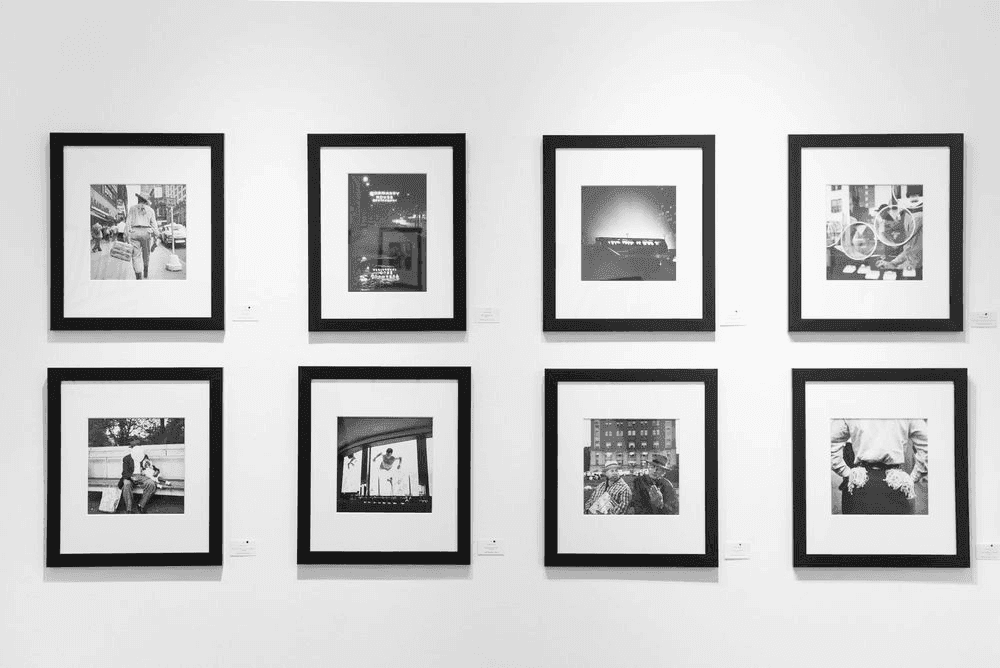
Turning Post War & Contemporary photography into an accessible, blue-chip investment portfolio
 Case Study
To SpaceX and Beyond! CIC Bank and the Opening of Private Markets
 Case Study
Digital Asset Solutions AG Teams Up with GenTwo for Enhanced Crypto Portfolio Diversity
 Case Study
Swissquote Launches AMC Solution with GenTwo Pro for Banks
 Case Study
Tearing down the barriers for professional money managers
 Case Study
Private Credit - Expertly Managed
 Case Study
AMC on mu AI Equity Selection Europe
 Case Study
Marcuard Heritage - Expanding the product range
 Case Study
Harnessing AI for Enhanced Investment Strategies
 Case Study
Opening up access to hedge funds
 Product Spotlight
AMC on SW Multi Asset AI Flagship Leverage Strategy
 Product Spotlight
Stableton Morningstar PitchBook Unicorn 20 AMC
 Product Spotlight
AMC on StartUp Investments
 Product Spotlight
AMC on Blue Economy Carbon Assets
 Product Spotlight
AMC on Blue-Chip Contemporary Paintings
 Product Spotlight
Tracker on PURE Carbon
 Product Spotlight
Product Spotlight: Capital Protected Note on BTC
 Product Spotlight
Product Spotlight: Barrier Reverse Convertible on BTC
 Product Spotlight
CLN on Physical Commodity Trading
 Product Spotlight
AMC on Transportlogistics Long-Term Income A
 Product Spotlight
AMC on Lemvi Multi-Strategy