Case Study
Turning Post War & Contemporary photography into an accessible, blue-chip investment portfolio
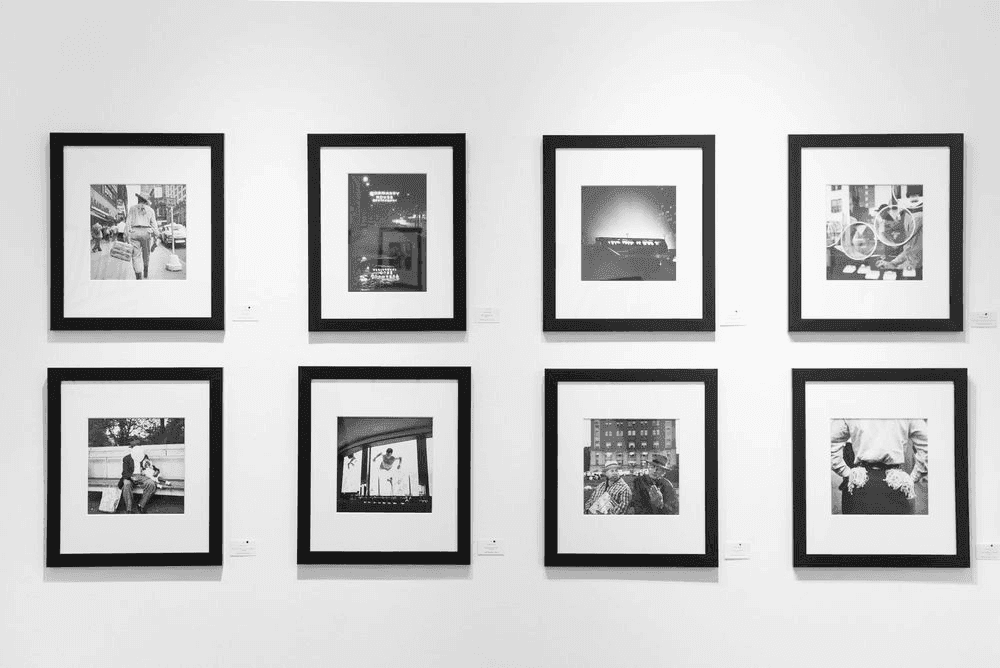
With steady returns of over 10% per annum, fine art has been one of the most predictable and best performing asset classes over the past 20 years. Combined with the fact that contemporary art has historically been uncorrelated with other asset classes, it is no wonder that many investors turn to art as a way to diversify their portfolios, protect their capital, and generate predictable returns.
For MRB Fund Partners, a FINMA-regulated asset manager in Zurich that specializes in the structuring and management of sophisticated investment solutions for third parties these were all good reasons to support an external partner in the set-up of a unique investment solution. The question was how best to do it.
While attractive, art is also a tricky investment. Buying individual, blue-chip, museum-quality old master or impressionist paintings can be prohibitively expensive. More affordable opportunities can be found in Post War & Contemporary Art, but constructing solid portfolios requires knowledge of the market, and access to the works.
With this in mind, MRB Fund Partners turned to the Fine Art InvestGroup (FAIG) to help them construct the right portfolio. It also turned to GenTwo to help design a structure to make the portfolio easily accessible to MRB clients, and to ensure all the essential legal and technical details are taken care of.
Photography as the “sweet spot” in modern art investing
A family-run art dealership and consultancy now in its third generation, FAIG provides an all-round art investing service, ranging from portfolio advisory and support with purchases to insurance and secure warehousing, generally in its storage rooms at the Swiss bonded warehouse in Embrach.
While FAIG handles all genres of contemporary art, it has a particular affinity for Post War & Contemporary photography – a very interesting niche, as the FAIG team explained to MRB, particularly from an investment perspective.
The contemporary photography market is both active and mature, with a number of photographers having established themselves as "blue chips" based on their reputation and their presence in museums and renowned collections. Such photographers generally have strong track records in secondary markets, which helps when trying to assess potential appreciation.
Valuing photography is helped by the fact that photographs lend themselves well to limited edition runs. The value of paintings – which tend to be single, unique pieces – often relies on the opinions of experts, and these can vary wildly. In a photographic edition, the photographer or gallerist sets the original prices ahead of time, so they are predictable. If pictures from an edition are sold on the secondary market, that can also provide solid data points for the overall value development of the edition.
To be successful, investors in contemporary photography will need the right portfolio. While relatively unknown photographers can offer outsize returns, the odds against finding the golden needle in the photography market haystack are fairly high. Once a photographer becomes established, his or her work can offer a far more balanced risk/return profile, but initial purchase prices will generally be higher.
Vivian Maier, who died in 2009, is the perfect example of these two extremes in action. Unknown during her lifetime, very few people could have predicted her posthumous fame when her photographs were discovered by John Maloof, a young realtor, in a storage room auction. It was only after her work was posted on Flickr and went viral, that Maier was recognised and her reputation cemented as one of the 20th Century’s most important street photographers. Her boxes of negatives, once worth no more than what they could fetch at a storage room auction, are now highly prized and have shown a steady and reliable value appreciation.
Maier’s work is heavily represented in the portfolio that FAIG put together for MRB. Unlike Maier, the other three photographers included – William Klein, Tod Papageorge, and Peter Downsbrough – have all been recognised in their lifetimes. With stellar reputations and prints in renowned museums like MoMA and the Met in New York, or the Tate Modern in London, they too represent “blue chip” art investment opportunities.
Making it work
The FAIG portfolio gave MRB a promising investment product. The next task therefore was to securitize the portfolio in a way that was both efficient for MRB and easily accessible, as well as safe, for its clients.
Like picking the right artists, structuring the right product requires specialist expertise and experience in a number of fields. That was where GenTwo came in.
After assembling a team of its senior structuring and legal personnel, GenTwo designed a structure based on a Protected Cell company in Guernsey run by MRB, acting as the Strategy Manager.
Under this structure, the Protected Cell company would purchase the portfolio from FAIG, while the Paying Agent takes care of the creation of value rights, thereby securitizing the art work through an Actively Managed Certificate (AMC).
This approach offered a number of advantages for MRB and its clients. As opposed to a fund, an AMC makes it possible to issue shares with small ticket sizes, in this case USD 100.00 per share. As they carry a Swiss ISIN, these shares are completely bankable. Because the AMC is issued by a Protected Cell company that wholly owns the portfolio but does not engage in any other activities than to manage it, it is fully ring-fenced from any liabilities of MRB or any other stakeholder. That means investors do not bear any issuer risk. Because the company owns the art, the AMC is also secured by real assets. As the value of the shares is calculated based on the value of the underlying (and nothing else), they become worth more as the value of the photographs appreciates.
To make everything airtight, GenTwo needed to solve a number of technical and administrative issues. For example, one of the main considerations was how to ensure that the Guernsey-based Protected Cell company could get ownership of the physical assets in Switzerland, and then be able to prove that ownership as well as guarantee that they have access to the assets if needed. This required effort above all from the legal team, as well as the collection and certification of a long string of documents, from warehouse receipts and certificates of authority to insurance policies, payment confirmations and the like.
This AMC on a diversified fine art portfolio provides an excellent blueprint for best practice for how tangible objects such as art, collectables or precious metals can be purchased, transported, secured, insured, stored and turned into a bankable financial product.
Assetization in action
Real use cases, client success stories, live products.
 Use Case
Swiss residential real estate. Project debt, project equity or diversified exposure.
 Use Case
A feeder into your fund. Fractional tickets, any bank or broker, no new entity.
 Use Case
One hybrid AMC. A live trading book and illiquid holdings under a single ISIN.
 Use Case
Launch a single AMC on listed assets. One strategy, one product, live in days.
 Use Case
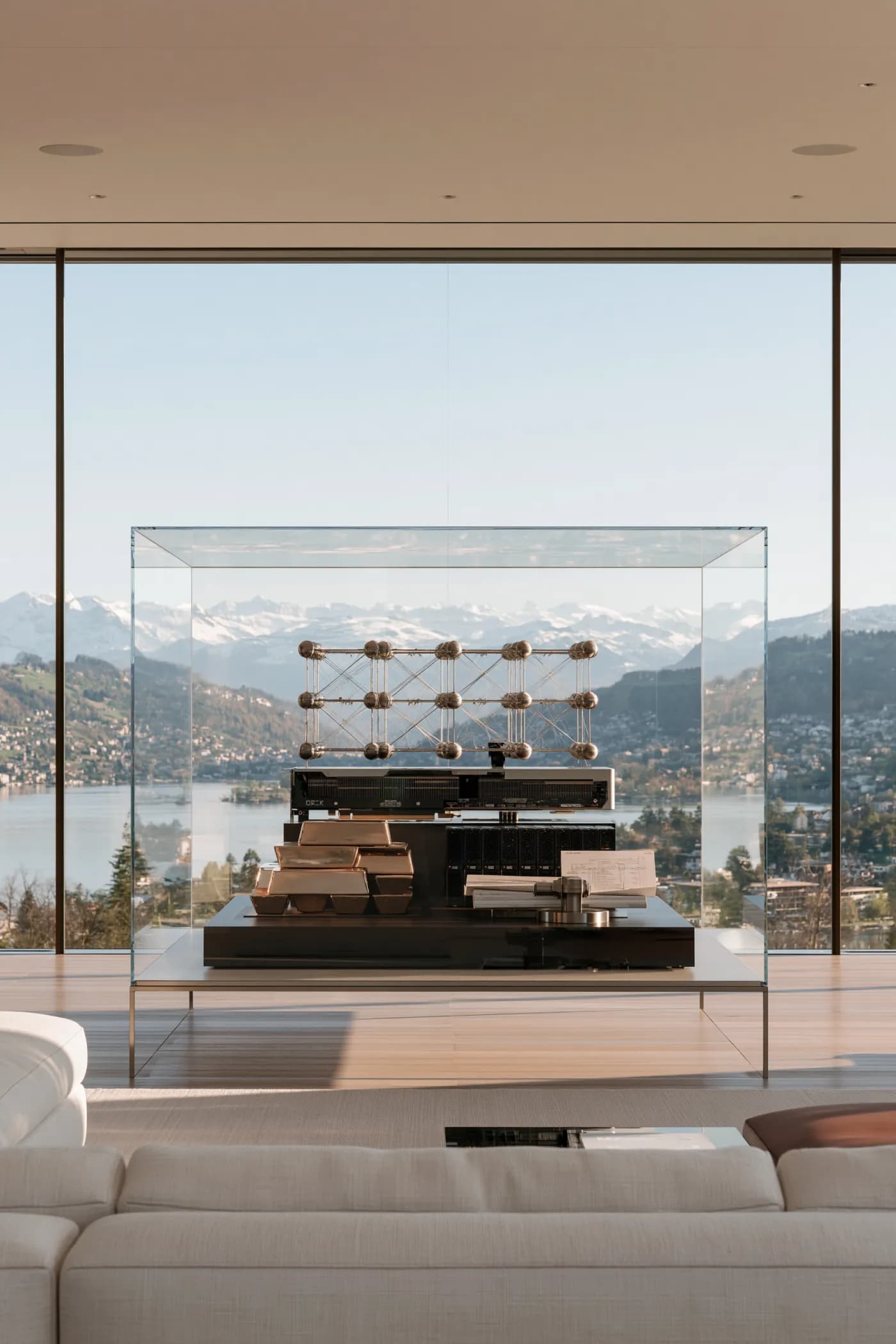
An AMC on digital assets. Your crypto strategy in a bank account, no wallets.
 Use Case
Tokenized AMCs on your platform. On-chain, backed 1:1, with a Swiss ISIN.
 Use Case
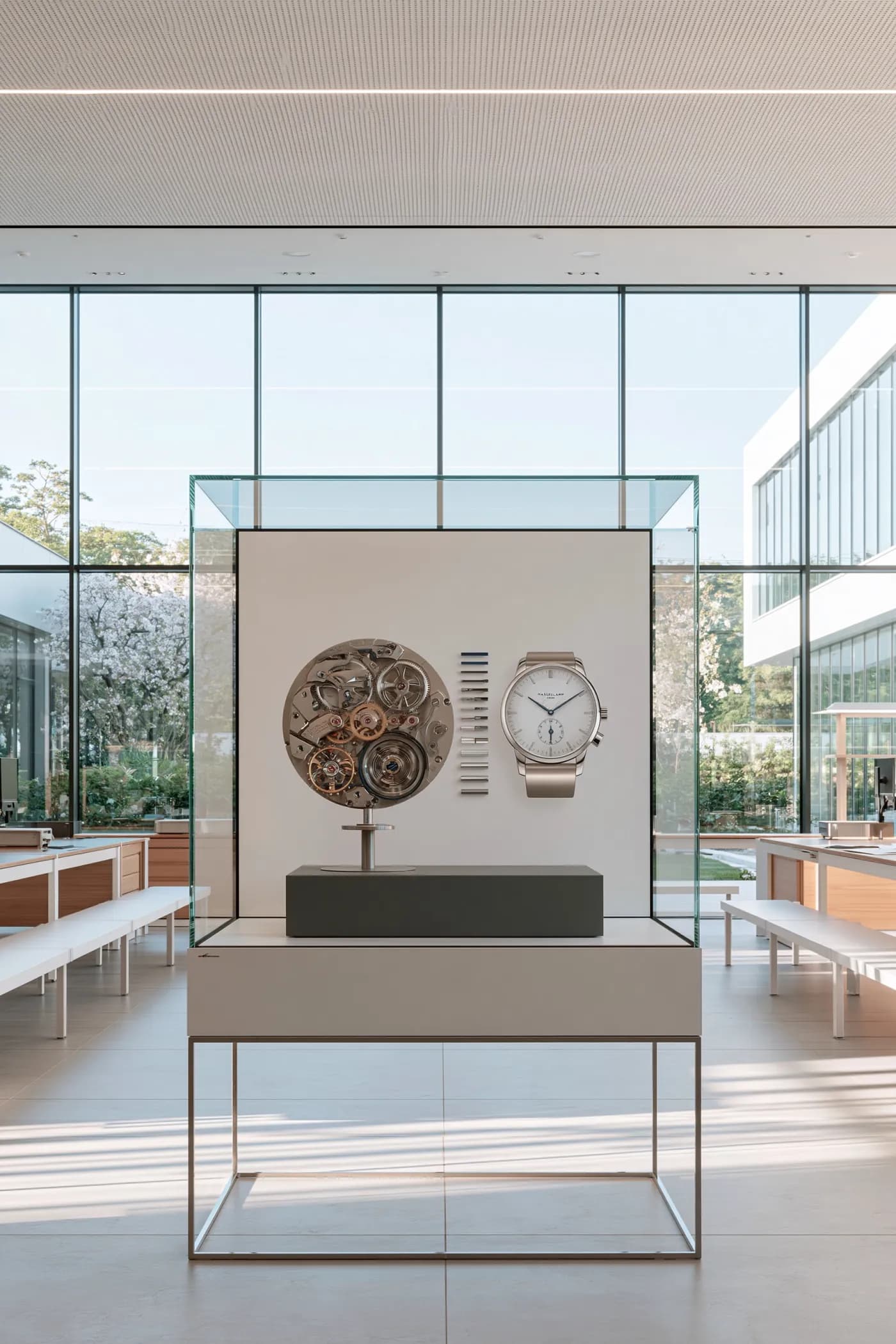
Structured products on digital assets. Capital protection, yield and barrier payoffs.
 Use Case
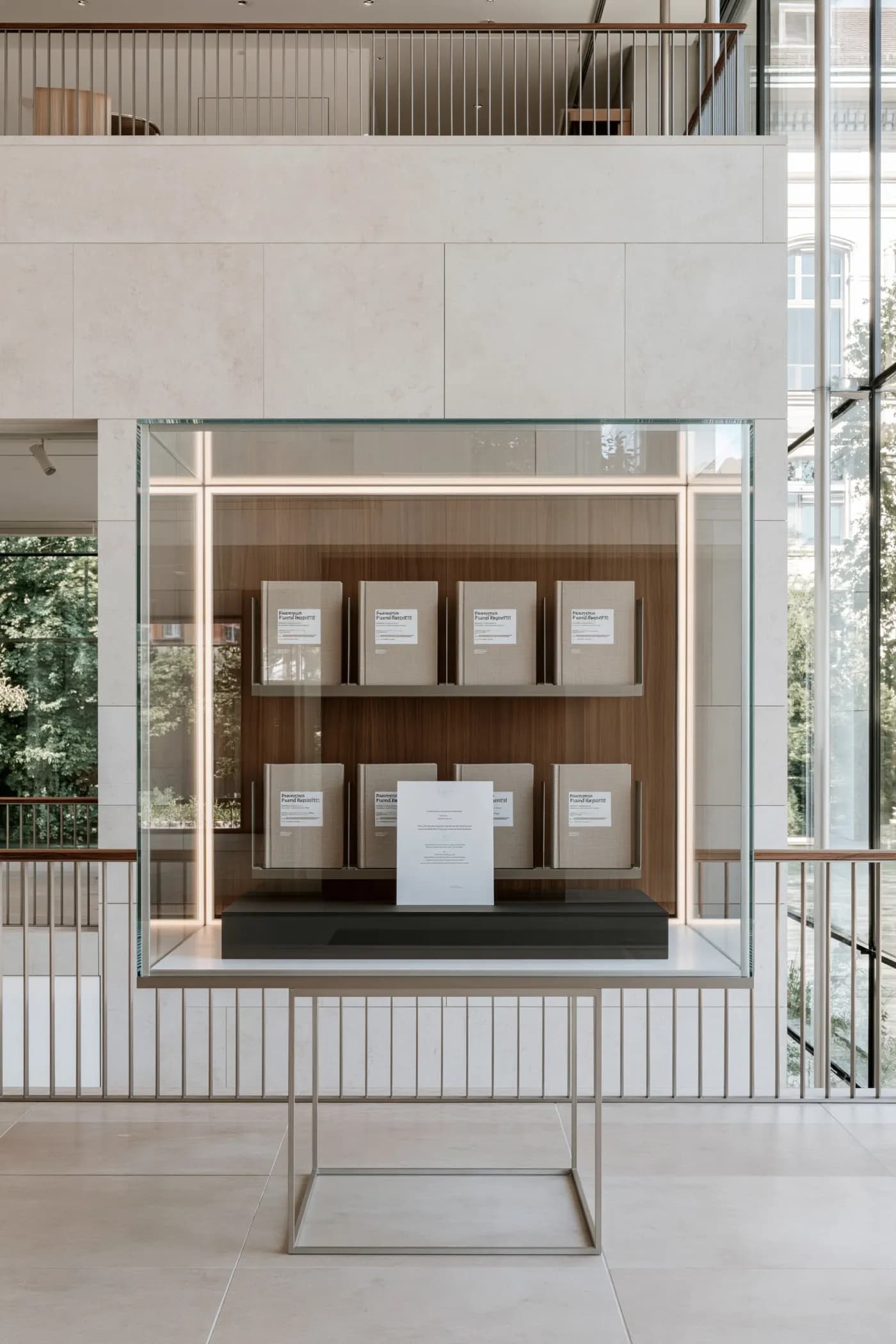
An AMC on a portfolio of funds. Fund of funds, without the second fee layer.
 Use Case
Launch your AMC issuance platform. Keep the custody and the fees in-house.
 Use Case
Private equity and venture capital. A portfolio as an AMC, one name as a Tracker.
 Use Case
Private debt. Turn a loan into an ISIN-listed note with a coupon.
 Use Case
SME financing. A mini-bond that raises capital without diluting ownership.
 Use Case
Structured products in one AMC. Many positions, a single vehicle.
 Use Case
Impact investing for companies. Fund your suppliers as an investment, not a grant.
 Use Case
A portfolio of artists, securitized against future revenues.
 Use Case
Peer-to-peer loans. A whole basket in one certificate, no loan-by-loan selection.
 Use Case
Venture capital as a certificate. No general partner and limited partner structure.
 Use Case
Certificate of Things. Finance a machine, pay investors from what it produces.
 Use Case
Pay-per-use. Investors fund the equipment and earn royalties as it runs.
 Use Case
Fine art and collectibles. A single work as a Tracker, a portfolio as an AMC.
 Case Study
Uranium offers investors an opportunity in the clean energy revolution
 Case Study
Bringing professional art investments into a bankable structure that allows for easy access
 Case Study
Generation Alfa and GenTwo: Creating Innovative Investment Solutions for Modern Markets
 Case Study
To SpaceX and Beyond! CIC Bank and the Opening of Private Markets
 Case Study
Digital Asset Solutions AG Teams Up with GenTwo for Enhanced Crypto Portfolio Diversity
 Case Study
Swissquote Launches AMC Solution with GenTwo Pro for Banks
 Case Study
Tearing down the barriers for professional money managers
 Case Study
Private Credit - Expertly Managed
 Case Study
AMC on mu AI Equity Selection Europe
 Case Study
Marcuard Heritage - Expanding the product range
 Case Study
Harnessing AI for Enhanced Investment Strategies
 Case Study
Opening up access to hedge funds
 Product Spotlight
AMC on SW Multi Asset AI Flagship Leverage Strategy
 Product Spotlight
Stableton Morningstar PitchBook Unicorn 20 AMC
 Product Spotlight
AMC on StartUp Investments
 Product Spotlight
AMC on Blue Economy Carbon Assets
 Product Spotlight
AMC on Blue-Chip Contemporary Paintings
 Product Spotlight
Tracker on PURE Carbon
 Product Spotlight
Product Spotlight: Capital Protected Note on BTC
 Product Spotlight
Product Spotlight: Barrier Reverse Convertible on BTC
 Product Spotlight
CLN on Physical Commodity Trading
 Product Spotlight
AMC on Transportlogistics Long-Term Income A
 Product Spotlight
AMC on Lemvi Multi-Strategy