Case Study
Bringing professional art investments into a bankable structure that allows for easy access
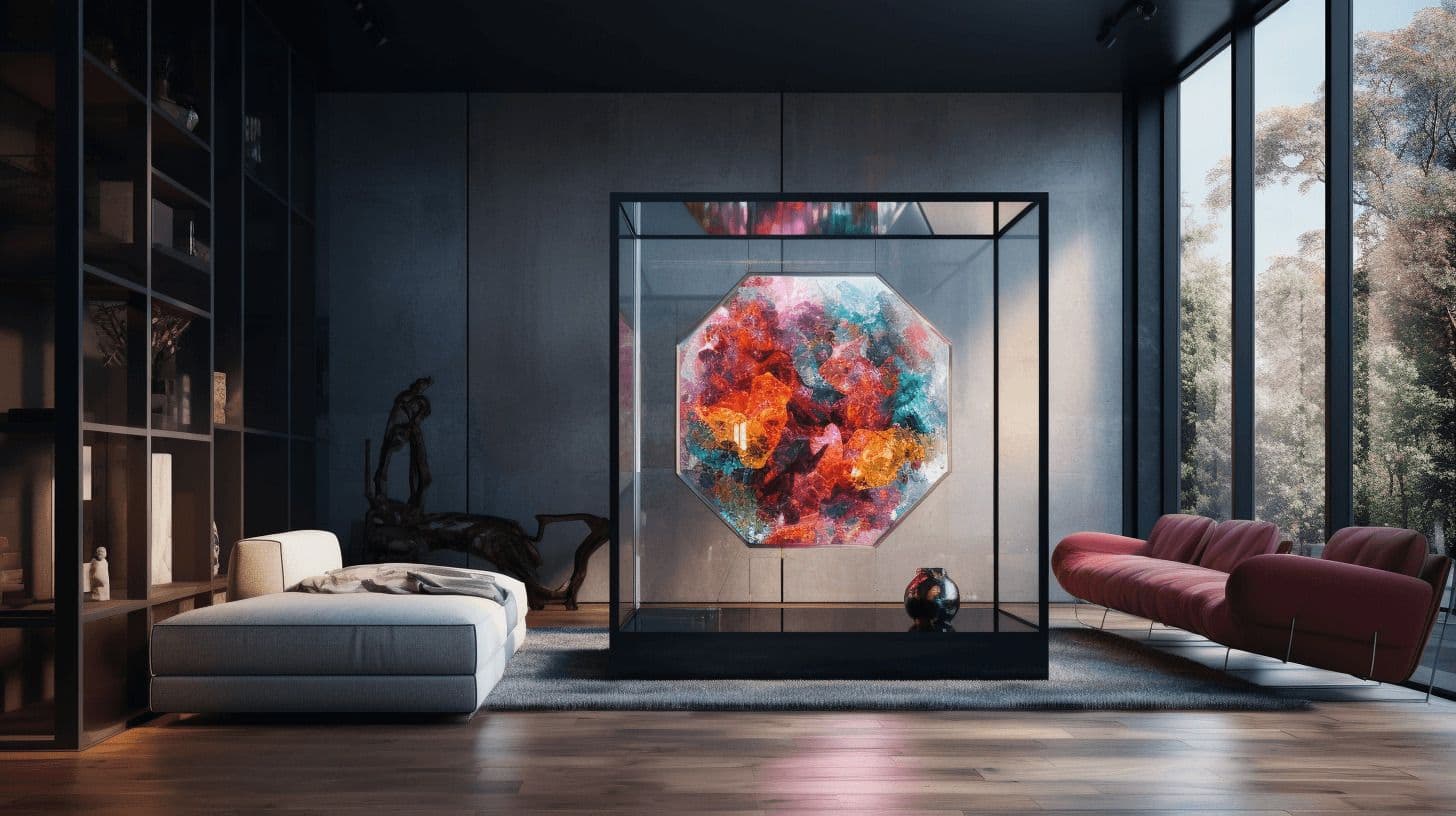
Fine art is one of the best-returning asset classes and exhibits low correlation with traditional asset classes but it can be difficult to access good opportunities
Over the past few decades, investing in fine art has become increasingly popular among many investors. This is largely due to art’s low correlation with traditional asset classes and its strong financial track record, with blue-chip contemporary art boasting an average annual return of 9.2% since 2000. Blue-Chip contemporary art refers to works created after WWII by artists who demonstrate the highest degree of continued art market relevance from a cultural, historical, and financial perspective.
Unlike traditional asset classes like equities, bonds, and real estate, investing in fine art also offers investors a cultural and aesthetic value that goes beyond financial returns. Owning a piece of art can be an inspiring and enriching experience that can be of great personal value.
Unfortunately, there are many barriers to investing in fine art that have historically limited access to the market to a small group of wealthy individuals and art insiders. For one, fine art is notoriously expensive, with blue-chip artworks often starting at around USD 1.0 mn per piece. Successfully investing in fine art also requires a deep understanding of the market, including factors like artist reputation, provenance, condition, and market trends. Yet the art market is notoriously opaque, with limited information available about pricing, sales, and other market data.
“Our innovation is that we provide professional entry to a market that has been around for hundreds of years but has been notoriously hard to access.”
The AMC on Blue-Chip Contemporary Art offers investors easy access to a hig-quality fine art opportunity.
Partasio, a Swiss-based art investment boutique, aims to help investors get over the barriers to the fine art market by providing them access to select portfolios of blue-chip contemporary art via an Actively Managed Certificate (AMC).
Together with GenTwo and CAT Financial Products, Partasio created a transparent, bankable structure that allows investors to access the art market without the high costs and opacity associated with the market. The company's team of experts and art market insiders handles the sourcing, management, and eventual sale of the paintings, with an eye to minimizing the risk of loss in value, while GenTwo with its broad knowledge in this sector takes care of the rest such as legal and technical details. Investors also receive ongoing reporting that includes information about the selected artworks, as well as educational opportunities around the artists and the art market in general.
To diversify exposure to the art market, each portfolio consists of four to six paintings of established blue-chip artists with proven long-term relevance both from an art historical and a financial returns perspective. Partasio focuses on pieces in the USD 500 000 to USD 3.0 mn range, as opposed to higher-valued pieces, as this price segment features high transaction liquidity. The portfolios are also kept small on purpose, making it easier for investors to engage with and appreciate the portfolio on a personal level, something that is harder to do with larger portfolios. To help investors appreciate the art, Partasio also creates regular content and exhibitions.
To partake in the portfolio, investors purchase notes issued by a single-purpose vehicle in the form of a Guernsey protected cell company. The strategy is managed by CAT Financial Products, and the minimum purchase amount is 30 notes (each note has a par value of CHF 1000).
The securitization was carried out via the GenTwo platform. As structured, the notes entitle investors to pro rata net disposal proceeds when paintings are sold. To ensure Partasio's interests are 100% aligned with those of investors, the company charges a performance fee when a painting is sold for a profit. The average holding period per painting is five years, and disposal proceeds are returned to investors at each sale and are not reinvested.
“Our investors are not typically passionate art collectors, but rather financial investors looking for uncorrelated returns with a value investing approach.”
Partasio's first portfolio has been launched, and will pave the way for further products
Partasio launched its first AMC in September 2022. The first painting for the portfolio, an untitled work by contemporary German artist Guenther Foerg, was purchased a few months ago. The price tag of just over CHF 600 000 was well below the price for comparable works by the painter, demonstrating the value of Partasio’s expert insider network. The company is on the verge of purchasing the second piece for the portfolio, and has the objective to close the first portfolio quickly and move on to the next one.
While the first portfolio focuses on blue-chip contemporary paintings in general, the company plans for subsequent portfolios to be thematically driven. This will allow people to invest based on their personal interest as well as risk appetite.
“What is unique here is bringing really professional art investments into a bankable structure that allows for easy access."
Assetization in action
Real use cases, client success stories, live products.
 Use Case
Swiss residential real estate. Project debt, project equity or diversified exposure.
 Use Case
A feeder into your fund. Fractional tickets, any bank or broker, no new entity.
 Use Case
One hybrid AMC. A live trading book and illiquid holdings under a single ISIN.
 Use Case
Launch a single AMC on listed assets. One strategy, one product, live in days.
 Use Case
An AMC on digital assets. Your crypto strategy in a bank account, no wallets.
 Use Case
Tokenized AMCs on your platform. On-chain, backed 1:1, with a Swiss ISIN.
 Use Case
Structured products on digital assets. Capital protection, yield and barrier payoffs.
 Use Case
An AMC on a portfolio of funds. Fund of funds, without the second fee layer.
 Use Case
Launch your AMC issuance platform. Keep the custody and the fees in-house.
 Use Case
Private equity and venture capital. A portfolio as an AMC, one name as a Tracker.
 Use Case
Private debt. Turn a loan into an ISIN-listed note with a coupon.
 Use Case
SME financing. A mini-bond that raises capital without diluting ownership.
 Use Case
Structured products in one AMC. Many positions, a single vehicle.
 Use Case
Impact investing for companies. Fund your suppliers as an investment, not a grant.
 Use Case
A portfolio of artists, securitized against future revenues.
 Use Case
Peer-to-peer loans. A whole basket in one certificate, no loan-by-loan selection.
 Use Case
Venture capital as a certificate. No general partner and limited partner structure.
 Use Case
Certificate of Things. Finance a machine, pay investors from what it produces.
 Use Case
Pay-per-use. Investors fund the equipment and earn royalties as it runs.
 Use Case
Fine art and collectibles. A single work as a Tracker, a portfolio as an AMC.
 Case Study
Uranium offers investors an opportunity in the clean energy revolution
 Case Study
Generation Alfa and GenTwo: Creating Innovative Investment Solutions for Modern Markets
 Case Study
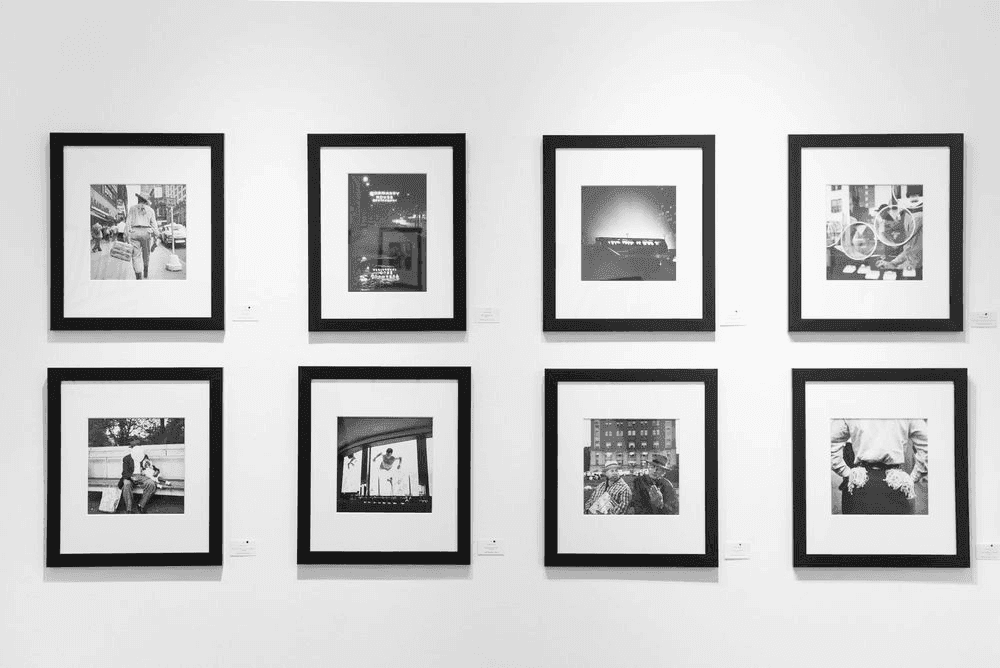
Turning Post War & Contemporary photography into an accessible, blue-chip investment portfolio
 Case Study
To SpaceX and Beyond! CIC Bank and the Opening of Private Markets
 Case Study
Digital Asset Solutions AG Teams Up with GenTwo for Enhanced Crypto Portfolio Diversity
 Case Study
Swissquote Launches AMC Solution with GenTwo Pro for Banks
 Case Study
Tearing down the barriers for professional money managers
 Case Study
Private Credit - Expertly Managed
 Case Study
AMC on mu AI Equity Selection Europe
 Case Study
Marcuard Heritage - Expanding the product range
 Case Study
Harnessing AI for Enhanced Investment Strategies
 Case Study
Opening up access to hedge funds
 Product Spotlight
AMC on SW Multi Asset AI Flagship Leverage Strategy
 Product Spotlight
Stableton Morningstar PitchBook Unicorn 20 AMC
 Product Spotlight
AMC on StartUp Investments
 Product Spotlight
AMC on Blue Economy Carbon Assets
 Product Spotlight
AMC on Blue-Chip Contemporary Paintings
 Product Spotlight
Tracker on PURE Carbon
 Product Spotlight
Product Spotlight: Capital Protected Note on BTC
 Product Spotlight
Product Spotlight: Barrier Reverse Convertible on BTC
 Product Spotlight
CLN on Physical Commodity Trading
 Product Spotlight
AMC on Transportlogistics Long-Term Income A
 Product Spotlight
AMC on Lemvi Multi-Strategy